Tips for Creating a Relaxing Home Office Environment
Working from home has become a routine for many people, making it more important than ever to create a home office environment that balances productivity with relaxation. A well-designed workspace can reduce stress, improve focus, and boost overall wellbeing. This post will guide you through practical tips to transform your home office into a calming and inspiring place to work.
Choose the Right Location
Choosing the ideal spot for your home office is the foundation for a relaxing workspace.
– Natural Light: Position your desk near a window to take advantage of natural daylight, which can improve mood and reduce eye strain.
– Quiet Space: Find a quiet area away from household distractions, especially if you share your home with others.
– Dedicated Zone: Even if space is limited, carving out a specific zone for work helps your brain associate that area with focus and productivity.
Declutter to Destress
Clutter can be a significant source of distraction and stress. Keeping your workspace tidy is essential for a calming atmosphere.
– Minimal Items: Keep only essential items on your desk. Use trays or drawers to organise supplies.
– Cable Management: Use clips or cable boxes to keep wires neat and out of sight.
– Regular Clean-ups: Take a few minutes at the end of each day to clear your surface and prepare for the next working session.
Invest in Comfort and Ergonomics
Comfort plays a major role in how relaxed you feel during your workday.
– Ergonomic Chair: Choose a supportive chair that encourages good posture to prevent discomfort and fatigue.
– Adjustable Desk: An adjustable desk or a sit-stand converter can help you switch positions and reduce the strain of sitting too long.
– Screen Height: Position your computer screen at eye level to reduce neck strain.
Bring Nature Indoors
Adding elements of nature to your office can have a soothing effect and increase creativity.
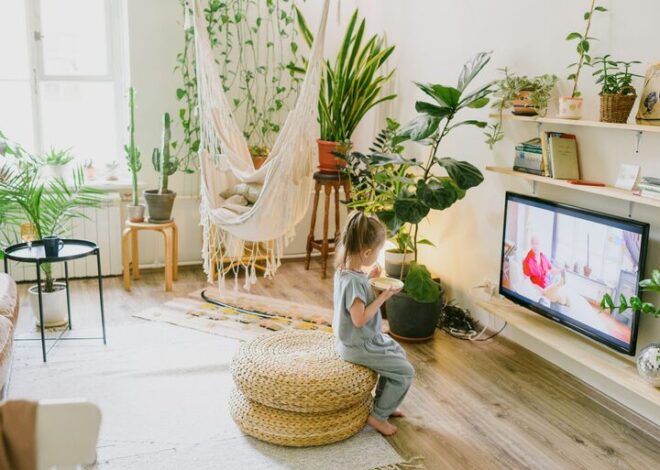
– Plants: Indoor plants improve air quality and create a refreshing atmosphere. Easy-care plants like snake plants or succulents are ideal.
– Natural Materials: Use wooden furniture or accessories to add warmth and texture rooted in nature.
– Views of the Outdoors: Arrange your desk so you can see outside, even if it’s just a glimpse of the sky or trees.
Use Calming Colours and Lighting
The colours and lighting in your workspace impact your mood and energy levels.
– Colour Palette: Soft, neutral colours like pale blues, greens, or greys can create a serene environment.
– Lighting: Avoid harsh overhead lights; instead, use warm lamps or adjustable desk lights that can be dimmed.
– Avoid Glare: Position your screens and lights to reduce glare, which can stress your eyes.
Personalise Thoughtfully
Personal touches make your space feel welcoming and less sterile but avoid overdoing it.
– Inspirational Items: Place a few meaningful items such as framed photos, artwork, or motivational quotes.
– Scent: Consider a subtle fragrance with essential oils or candles, such as lavender, known for its calming properties.
– Music or Ambient Noise: Soft background music or natural sounds can help concentration if you prefer some noise.
Create Boundaries and Routine
A relaxing home office environment involves more than just the physical space; habits matter too.
– Set Office Hours: Define your working hours to separate work from downtime.
– Take Breaks: Incorporate regular breaks to stretch, breathe, or just step away from your desk.
– End-of-Day Ritual: Develop a routine to ‘switch off’ your workspace, such as shutting down your computer and tidying your desk.
Optimise Air Quality and Temperature
Comfort is not only about how your workspace looks but also how it feels.
– Ventilation: Keep your office well-ventilated by opening windows where possible or using an air purifier.
– Temperature Control: Maintain a comfortable temperature – neither too hot nor too cold – to avoid distractions.
– Humidity: A humidifier can help maintain a pleasant atmosphere, especially in dryer climates or during winter.
Use Technology Wisely
Technology can support a relaxing work environment when used thoughtfully.
– Noise-Cancelling Headphones: These are great if your home is noisy and you need to focus.
– Blue Light Filters: Use software or screen protectors to reduce blue light exposure, especially later in the day.
– Organised Digital Space: Keep your computer files organised to reduce digital clutter and frustration.
—
Creating a relaxing home office environment is a balance of practical organisation, comfort, and personal touches. Implementing these tips will help you build a workspace that supports your well-being and productivity, making working from home a more enjoyable experience. Remember, your home office is your personal sanctuary for work—take the time to tailor it to your needs.