
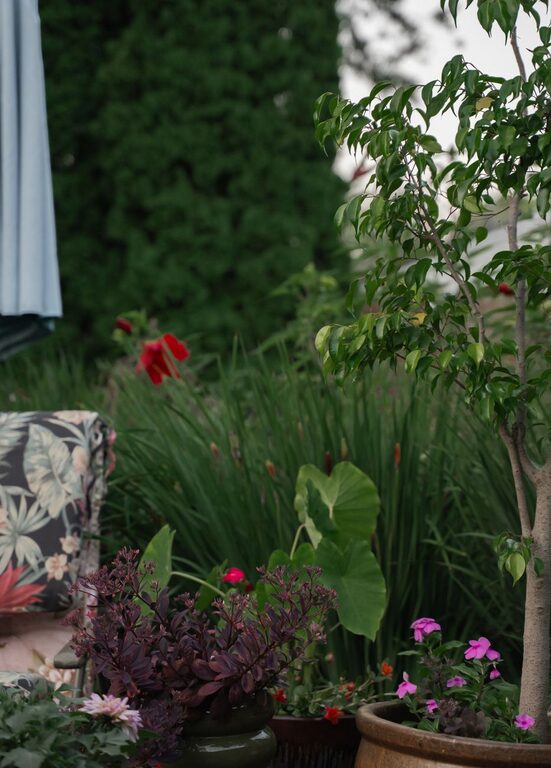
Tips for Creating a Relaxing Garden Space at Home
Creating a relaxing garden space at home can be a wonderful way to unwind, enjoy nature, and enhance your well-being. Whether you have a small balcony or a large backyard, designing a peaceful outdoor area is achievable with a few thoughtful steps. This post will guide you through practical tips to help you build your own calming garden retreat.
Why Create a Relaxing Garden Space?
Gardens provide more than just aesthetic appeal—they offer a personalised sanctuary where you can relax, meditate, read, or spend quality time with family and friends. A well-planned garden can reduce stress, encourage mindfulness, and improve your mood.
Choosing the Right Location
Start by assessing your available outdoor space. Consider areas that receive natural sunlight but also offer shade. If possible, select a quiet corner away from road noise or bustling neighbours. Your chosen spot should feel private and sheltered, helping to create a calm atmosphere.
Planning Your Garden Layout
Define Separate Zones
Organise your garden into distinct zones for different activities, such as:
– Seating area for relaxing or socialising
– Planting beds for flowers, herbs, or vegetables
– Pathways or stepping stones connecting areas
– Water features or focal points
Clear boundaries between zones can make your garden feel more structured and inviting.
Incorporate Comfortable Seating
Invest in comfortable garden furniture—a weather-resistant bench, hammock, or cushioned chairs can make your garden more welcoming. Place seating in sheltered areas, perhaps under a pergola or a tree, to encourage longer periods of relaxation.
Selecting Plants for Calm and Colour
Choose Soothing Colours
Plants with soft colours like pale greens, blues, purples, and whites tend to create a tranquil environment. Lavenders, hydrangeas, and hostas are excellent choices.
Use Fragrant Plants
Aromas have a powerful effect on mood. Incorporate fragrant plants such as rosemary, jasmine, gardenias, or mint to stimulate your senses and promote calm.
Opt for Low-Maintenance Plants
To keep your garden relaxing rather than stressful, select easy-care varieties suited to your climate. Perennials and native plants generally require less attention.
Adding Water Features
Water sounds can instantly soothe and mask unwanted noise. Consider small water features like:
– A tabletop fountain
– A birdbath
– A small pond or bubbler
The gentle flow or trickle of water encourages relaxation and attracts wildlife.
Enhancing with Lighting
Soft lighting extends your garden’s usability into the evening. Use solar-powered lanterns, fairy lights, or hidden LED strips to create a warm and inviting atmosphere after dusk.
Creating Privacy
Privacy is key to a relaxing space. You can achieve this by:
– Planting hedges or tall grasses
– Installing screens or trellises with climbing plants
– Using garden umbrellas or outdoor curtains
These options help block out distractions and enhance the feeling of safety and seclusion.
Incorporate Natural Materials and Accessories
Using natural materials like wood, stone, or wicker helps blend your garden with the surroundings. Add personal touches such as:
– Colourful cushions and throws
– Wind chimes or garden sculptures
– Outdoor rugs for defined seating areas
These details bring warmth and character to your garden.
Regular Maintenance Tips
A cluttered or untidy garden can detract from relaxation. Follow a simple maintenance routine:
– Prune overgrown plants
– Remove weeds regularly
– Keep pathways clear
– Refresh mulch and soil as needed
By staying on top of upkeep, you ensure your garden remains inviting and stress-free.
Enjoy Your Garden Sanctuary
Creating a relaxing garden space at home is not only about design but also about making the area genuinely yours. Spend time in your garden daily, listen to the sounds, breathe in the scents, and let nature soothe your mind. With patience and care, your garden can become a beloved retreat you’ll look forward to every day.
