Tips for Creating a Relaxing Home Office Environment That Boosts Productivity
Creating a relaxing home office environment is essential for maintaining focus, reducing stress, and boosting your overall productivity. Whether you work remotely full-time or occasionally from home, the design and atmosphere of your workspace can significantly impact how you feel and perform throughout the day. Here are some helpful tips to transform your home office into a calm and inviting place.
Choose the Right Location
The first step in creating a relaxing home office is picking a suitable spot within your home. Ideally, look for a quiet area away from the main living spaces to minimise distractions. If possible, select a space with plenty of natural light, as this has been shown to improve mood and energy levels.
If space is limited, you can still carve out a dedicated corner for your office. Using room dividers or bookshelves to separate your work area helps create a sense of boundary between work and home life, which is important for maintaining balance.
Invest in Comfortable Furniture
Your furniture plays a vital role in keeping you comfortable throughout the day. A good ergonomic chair that supports your posture will prevent discomfort and fatigue. Similarly, an adjustable desk allows you to switch between sitting and standing positions, promoting better circulation and reducing strain.
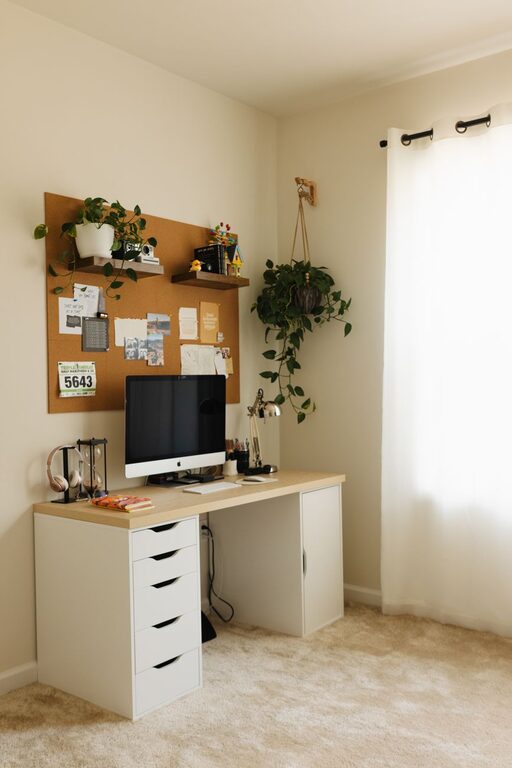
When choosing a desk, ensure it has enough surface space for your computer, notepad, and other essentials without feeling cramped. Add storage solutions like drawers or organisers to keep clutter at bay.
Create a Calm Colour Palette
Colours affect our emotions and productivity, so consider painting your office walls or decorating with shades that promote calmness and focus. Soft blues, greens, or neutrals are popular choices for a relaxing atmosphere.
If repainting isn’t an option, small touches like cushions, artwork, or desk accessories in these calming colours can have a similar effect. Avoid overly bright or bold colours that might be distracting or overstimulating.
Control Lighting Effectively
Good lighting is crucial in any workspace. Make the most of natural light by positioning your desk near a window, but avoid glare on your computer screen. Complement this with adjustable task lighting like a desk lamp that provides focused illumination.
Warm LED bulbs offer a softer, more soothing light compared to harsh fluorescents. Dimmable lights enable you to set the brightness depending on the time of day or the type of work you’re doing.
Keep Your Space Organised and Clutter-Free
A tidy workspace reduces stress and helps you concentrate. Use organisers, trays, and file holders to keep papers and supplies in order. Regularly declutter your desk and drawers to avoid unnecessary distractions.
Consider digital organisation strategies too, such as managing files in folders and cleaning up your computer desktop, to create a neat and efficient working environment.
Incorporate Nature Elements
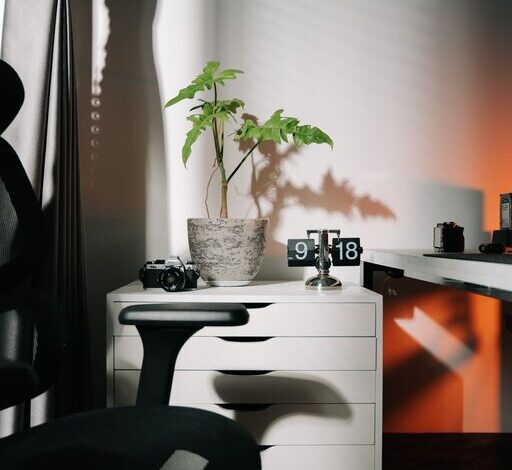
Bringing some natural elements into your home office can have a calming effect and improve air quality. Houseplants are an excellent addition: low-maintenance options like snake plants, pothos, or succulents add greenery without demanding too much care.
If space or lighting conditions don’t support plants, try natural wood accents, nature-inspired artwork, or using natural fabrics like linen or cotton for your furnishings.
Personalise Your Space
Adding personal touches can make your office feel more welcoming and less clinical. Display photos, inspirational quotes, or items that bring you joy. Just be mindful to keep personal items minimal to avoid clutter.
Personalising your space helps create a positive atmosphere and can motivate you during challenging workdays.
Minimise Noise Distractions
Noise interruptions can break your concentration and increase stress. If you cannot choose a quiet room, consider soundproofing options such as thick curtains, rugs, or acoustic panels.
Using noise-cancelling headphones or playing gentle background music or ambient sounds can help mask distracting noises and improve focus.
Establish Clear Boundaries
Working from home can blur the lines between personal and professional life. Setting clear boundaries helps protect your relaxation time and reduces burnout.
Try to stick to regular work hours and use your designated office exclusively for work activities. When your workday ends, “close” your office space by shutting the door or packing away your equipment to signal the transition.
Add Relaxation Aids
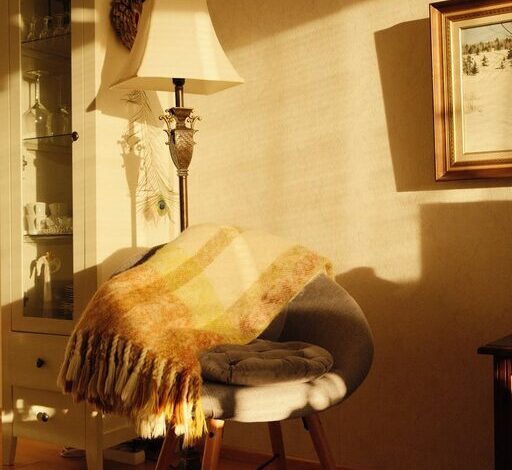
Finally, think about incorporating elements that help you unwind during breaks. This might include a comfortable chair for reading or stretching, a diffuser with calming essential oils, or a meditation corner.
Taking short breaks to recharge can improve your focus and overall wellbeing during the day.
—
By thoughtfully designing your home office with these tips in mind, you’ll create a space that supports your productivity while keeping stress at bay. Remember, the key to a relaxing environment is balance: comfort, organisation, natural elements, and personal touches all contribute to a workspace where you can thrive.